
.svg)
Payment Processing for High-Risk Industries: Stripe Alternatives That Actually Work in 2026
- CategoryBanking & FinTech
- DateMarch 7, 2026
- Share



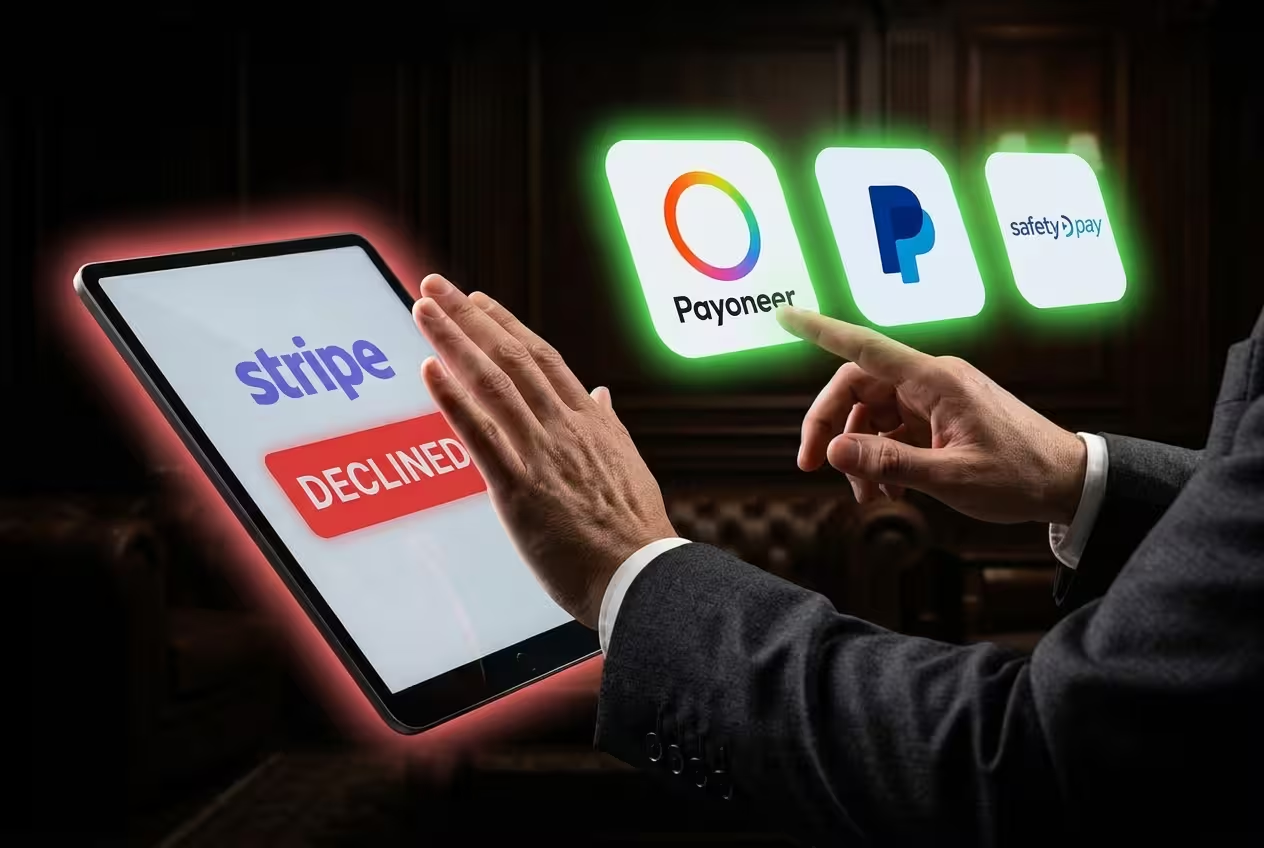
Stripe’s underwriting algorithms have become stricter than ever. High-risk categories are flagged automatically due to chargeback history, regulatory ambiguity, and product liability. When Stripe declines a business, it usually isn’t personal, it’s risk modeling aligned with bank partners’ compliance expectations.
Industries most affected include crypto exchanges, forex platforms, nutraceuticals, supplements, and iGaming. Businesses in these categories need alternative processors that understand the complexities of international payments and regulatory oversight.
Top Stripe Alternatives in 2026
PayPal High-Risk Programs
PayPal now offers specific accounts for some high-risk verticals. Crypto-related businesses or international subscription services can use PayPal’s compliant processing for lower-risk payment types. It’s suitable for companies that want broad consumer reach with strong fraud monitoring.
2Checkout / Verifone
2Checkout has specialized high-risk merchant accounts and global coverage. They support recurring subscriptions, digital goods, and international transactions. 2Checkout also offers integrated fraud prevention and automated chargeback management, reducing operational headaches for high-risk operators.
Payoneer
Payoneer is widely used for international B2B payments, freelancers, and marketplaces. In 2026, they accept certain high-risk categories, including digital services, software, and some crypto B2B workflows. Their multi-currency accounts and global payout network make them a strong option for cross-border operations.
SafetyPay / High-Risk Fintech EMIs
Specialized EMIs in Asia and Europe now cater to high-risk businesses directly. These include smaller, regulated providers that accept crypto, forex, iGaming, and nutraceuticals under strict compliance. They often provide higher approval rates than mainstream platforms but require proper documentation and operational substance.
Bank-Focused High-Risk Acquirers
Some European and Caribbean acquirers focus solely on high-risk verticals. While onboarding is slower and fees are higher, these providers allow full-scale payments, chargeback management, and integration with merchant accounts. Examples include banks partnered with fintechs in Lithuania, Switzerland, and Singapore that have tailored programs for crypto or gaming businesses.
Crypto-Native Payment Gateways
For crypto businesses, 2026 gateways like NOWPayments or CoinPayments offer direct fiat-to-crypto and crypto-to-fiat processing. These platforms bypass traditional bank restrictions for crypto transactions but still integrate with standard ecommerce platforms and provide compliance reporting for regulators.
How to Choose the Right Alternative
When evaluating providers:
- Volume & Ticket Size: Some processors cap transaction volumes or restrict high-value payments.
- Jurisdiction Compliance: Make sure the provider is regulated in the jurisdictions where your business operates.
- Chargeback & Fraud Management: High-risk verticals need automated prevention and dispute resolution.
- Integration & Scale: Consider APIs, payment gateways, virtual cards, and multi-currency accounts.
- Documentation Requirements: Operational substance, licenses, and AML/KYC readiness are critical.
The goal is not to find a processor that “works” for a week, but one that supports long-term, compliant global operations.
Strategic Takeaways
High-risk payments in 2026 require treating payment processing as part of your overall international business structure. It’s not just about bypassing Stripe; it’s about selecting partners aligned with your compliance, corporate, and operational strategy.
Crypto founders, forex operators, supplement companies, and iGaming businesses benefit most from providers that:
- Understand regulatory expectations
- Offer global reach without sacrificing compliance
- Provide operational tools for chargeback, reporting, and reconciliation
The right payment partner is a cornerstone of your global business, ensuring you can accept funds safely, scale operations internationally, and avoid repeated rejections.